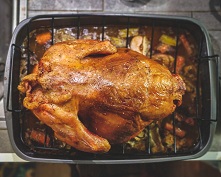
The short answer: yes, chicken thigh is dark meat. On a chicken, the thighs and drumsticks (the legs) are dark meat, and the breast and wings are white meat. Dark meat has a little more fat and flavour, white meat a little more protein, and both are lean, healthy choices.
Why is some chicken meat dark?
The colour comes from myoglobin, an iron-rich protein that carries oxygen to working muscles. A chicken stands and walks all day on its legs, so the thigh and drumstick muscles are full of myoglobin and turn darker when cooked. Chickens rarely fly, so the breast and wing muscles get little sustained use and stay pale.
Is dark meat chicken bad for you?
No. Skinless dark meat has a few more calories and a few more grams of fat than breast (see the table below), but it is still a lean meat, and it has more iron and zinc and more of several B vitamins than white meat. Most of the extra fat in any chicken piece is in the skin, so removing it matters more than choosing thigh or breast. If you are watching calories or fat closely, skinless breast is the leaner cut; otherwise, choose the one you enjoy.
Are white and dark meat both halal?
Yes, when the bird is. Halal is about how the whole chicken was raised, slaughtered and certified, not about which part you eat, so the thighs, drumsticks, breasts and wings of a halal-certified chicken are all equally halal. Look for a recognised certifier's mark on the package, which applies to every cut inside it. Our article on what it means when chicken is labelled halal explains the slaughter, stunning and certification rules in Canada.
Cooking temperatures for thighs and breasts
Health Canada's safe internal temperature for chicken pieces, including breasts, thighs, drumsticks and wings, is 74°C (165°F), and 82°C (180°F) for a whole bird. Check with a thermometer in the thickest part, away from the bone.
Thighs are the more forgiving cut: the extra fat and connective tissue keep them juicy even a little past 74°C, which is why they suit grilling, braising, soups and stews. Breasts dry out quickly once cooked past temperature, so they are best pulled off the heat as soon as they reach it, and they suit breading, stuffing and quick pan cooking. Our chicken cooking temperature guide has more detail.
Which do people prefer? We asked our staff
Preference can vary for many different reasons, sometimes the cut you choose is based on the meal you are cooking, dark meat works well in heartier recipes like soups and stews, breasts are ideal for breading and stuffing. On the other hand, the choice can also be based on dietary needs or financially driven. At Cericola Farms we were interested to know what our employees thought and we took a poll to see what they prefer and why.
When we set out to see whether our employees liked white meat over dark meat, we had no idea just how strongly they’d stand behind their preferences!
Comparing White and Dark Meat
If we simplify it as white meat being chicken breast and dark meat being chicken thigh, it becomes easier to spot the differences:
| Chicken Breast | Chicken Thighs | |
|---|---|---|
| Colour | Pale and white | Darker and almost brown |
| Size and Shape | Larger and teardrop shaped | Square in shape |
| Texture | Firmer and dryer | Juicy and easier to cut |
Nutritional Differences
That just covers what we can see and taste – but what about other factors? Nutritional value is by far the main characteristic that sets these two equally delicious cuts of chicken apart.
When comparing a 3oz (85g) grilled portion of breast to a 3oz (85g) grilled portion of thigh, the breast is the leaner option. The thigh is a little higher in calories and fat, and a little lower in protein:
| Chicken Breast 3oz (85g) grilled | Dark Meat 3oz (85g) grilled | |
|---|---|---|
| Calories | 147 | 160 |
| Fat (g) | 4 | 8 |
| Saturated Fat (g) | 1 | 2 |
| Protein (g) | 26 | 21 |
Employee Feedback
What was their feedback, and where did our employees weigh in on this age-old debate?
9 out of 10 employees polled - preferred Dark Meat!
When asked why, here’s what they had to say:
- Cost: On average, the cost of boneless skinless breast is approximately 15 per cent per kg more than boneless, skinless thigh.
- Flavour: The majority of employees polled preferred the flavour of thigh to that of the breast, noting the higher fat content makes the thighs juicier and more flavourful.
- Texture: Thigh texture is soft, making it easy to pull apart or cut into, whereas breast was described as being dry, tough and sometimes stringy.
- Cooking methods: Thighs were said to be a friendlier option for a novice chef, as breasts were noted as being a more intimidating cut to cook, as they are easily overcooked.
Despite their differences, both are delicious and a healthier option when compared to most other meat proteins. We hope that there are more people out there who are as passionate about their chicken as our employees are.
This poll was taken in 2018, when Cericola Farms was still processing chicken; its plants have been part of Maple Leaf Foods since 2018 and 2021. Whichever cut you prefer, choose any local chicken source you trust, and look for Canadian-raised chicken.